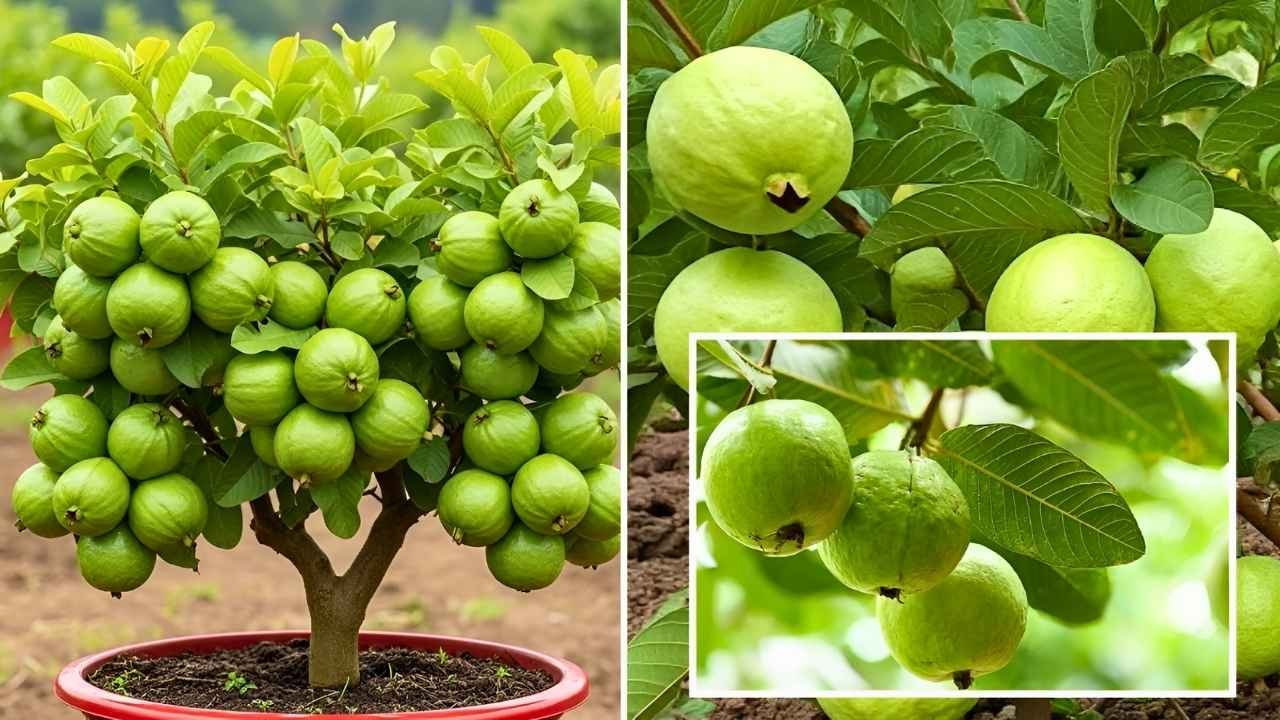
Ultimate Guava Care 2026 Guide: Guava is more than just a tropical delight—it’s a powerhouse fruit that can transform your orchard into a profitable venture if cared for correctly. In 2026, growers are focusing on smarter soil management and sunlight optimization to achieve record-breaking yields. Whether you’re cultivating guava for personal enjoyment or commercial success, this guide will give you fresh, actionable strategies to boost productivity and fruit quality.
Soil health matters
Healthy soil is the backbone of guava farming. A mix of sandy loam enriched with organic compost creates the perfect environment for root growth. Avoid waterlogging by ensuring proper drainage, as guava roots are sensitive to excess moisture. Adding biochar or vermicompost improves soil aeration and nutrient retention. Regular soil testing helps you track pH levels, ideally between 5.5 and 7.0, ensuring your guava trees absorb nutrients efficiently.
Sunlight fuels sweetness
Guava trees thrive under full sun exposure. Six to eight hours of direct sunlight daily ensures optimal photosynthesis, leading to sweeter fruits and stronger branches. Position trees in open areas where taller plants won’t block light. Morning sunlight is especially beneficial, reducing fungal risks by drying dew quickly. Remember, sunlight isn’t just energy—it directly influences fruit size, flavor, and overall yield.
Watering with precision
Smart irrigation is key to guava success. Young plants need consistent moisture, while mature trees prefer deep, infrequent watering. Overwatering can cause root rot, while underwatering reduces fruit quality. A weekly deep soak encourages roots to grow deeper, making trees more resilient. Mulching around the base conserves moisture and stabilizes soil temperature. Drip irrigation systems are highly effective, delivering water directly to roots without wastage.
Nutrient-rich feeding
Guava trees are heavy feeders, requiring a balanced diet of macronutrients and micronutrients. Nitrogen supports leafy growth, phosphorus strengthens roots, and potassium enhances fruiting. Supplement with calcium and magnesium for stronger cell walls and better fruit texture. Organic options like composted manure and seaweed extract improve soil fertility naturally. Foliar sprays of micronutrients such as zinc and boron can boost flowering and fruit set.
Quick Nutrient Guide:
- Nitrogen (N): Leaf growth
- Phosphorus (P): Root strength
- Potassium (K): Fruit development
- Calcium (Ca): Fruit firmness
- Magnesium (Mg): Chlorophyll production
Pruning for better yield
Pruning is more than aesthetics—it’s a yield booster. Remove dead, diseased, or overcrowded branches to improve airflow and sunlight penetration. This reduces pest risks and directs energy toward fruit-bearing shoots. Annual pruning after harvest ensures trees remain compact and manageable. Strategic pruning also stimulates new growth, leading to more flowers and fruits in the next season.
Natural pest defense
Guava trees often face pests like fruit flies, aphids, and mealybugs. Instead of relying on harsh chemicals, eco-friendly methods can protect your orchard. Neem oil sprays, garlic extracts, and introducing beneficial insects like ladybugs are effective natural solutions. Bagging fruits during ripening prevents infestation and ensures clean harvests. By adopting natural pest control, you safeguard both your yield and the environment.
Seasonal care calendar
Guava care changes with the seasons, and following a structured calendar ensures maximum productivity.
Seasonal Care Table:
| Season | Focus Area | Key Action |
|---|---|---|
| Spring | Growth phase | Apply nitrogen-rich fertilizer |
| Summer | Heat management | Deep watering, mulching |
| Autumn | Fruiting season | Boost potassium, pest monitoring |
| Winter | Dormancy & renewal | Pruning, soil enrichment |
Smart orchard layout
Spacing and layout play a huge role in guava yield. Plant trees 5–6 meters apart to allow proper root expansion and sunlight distribution. Intercropping with legumes enriches soil nitrogen naturally. Raised beds improve drainage in areas prone to waterlogging. A well-planned orchard layout reduces competition, enhances airflow, and makes pest management easier.
Technology in guava farming
2026 brings innovation to guava cultivation. Smart sensors monitor soil moisture, nutrient levels, and sunlight exposure. AI-powered apps help farmers schedule irrigation and fertilizer application precisely. Drones can survey orchards for pest outbreaks, while automated irrigation systems save water and labor. Technology ensures guava farming is more efficient, sustainable, and profitable than ever before.
Harvesting with care
Timing is crucial when harvesting guava. Fruits should be picked when they turn light green to yellow, depending on the variety. Overripe guavas lose market value, while underripe ones lack sweetness. Use clean, sharp tools to avoid damaging branches. Handle fruits gently to prevent bruising, ensuring they reach consumers in perfect condition. Proper post-harvest storage at cool temperatures extends shelf life.
Final Word: Ultimate Guava Care 2026 Guide
Guava farming in 2026 is all about smart soil management, sunlight optimization, and eco-friendly practices. By combining traditional wisdom with modern technology, growers can achieve higher yields, sweeter fruits, and healthier orchards. From soil preparation to seasonal care, every step matters in creating a thriving guava ecosystem. The final word: guava success is no longer a secret—it’s a science, and with these hacks, you’re ready to master it.
