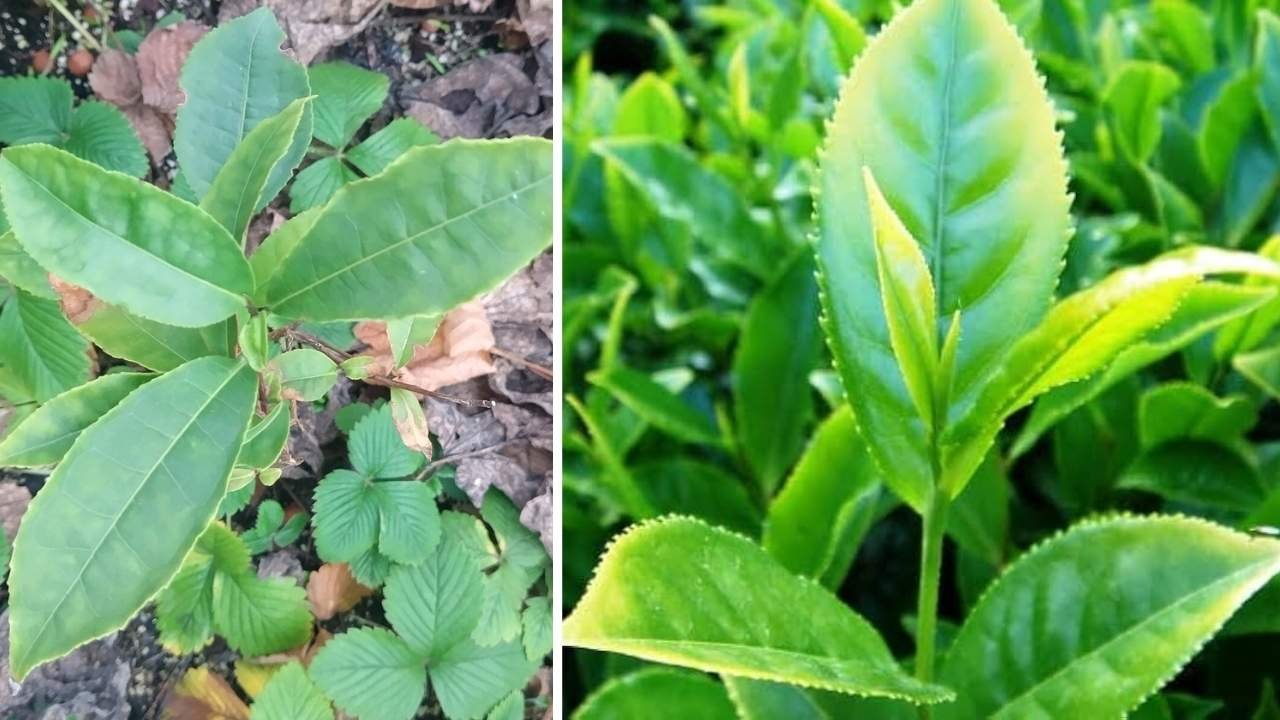
Tea Garden Magic 2026: A cup of tea feels different when it comes straight from your own plant. The aroma feels richer, the taste feels cleaner, and the connection feels real. Growing your own Camellia sinensis at home is no longer a niche hobby in 2026. It’s becoming a smart lifestyle move for people who want freshness, wellness, and a daily routine that actually feels meaningful. From balconies to backyards, tea gardening is quietly turning ordinary spaces into personal wellness zones.
Home tea growing rising trend
Tea gardening is gaining serious attention among urban gardeners and wellness enthusiasts. People are moving away from processed tea and shifting toward fresh, homegrown alternatives. The trend is driven by awareness around chemical-free living and sustainable habits. Growing tea at home also aligns perfectly with minimalism and self-sufficiency. It’s not just about growing a plant, it’s about owning your daily ritual. Once you start, it becomes a habit that blends lifestyle, health, and satisfaction in one simple activity.
Tea plant beginner friendly choice
Unlike many exotic plants, tea plants are surprisingly beginner-friendly. They don’t demand constant attention, yet they reward consistency. Even if you have basic gardening knowledge, you can grow tea successfully. The plant adapts well to containers and small spaces, making it perfect for modern homes. It grows slowly but steadily, giving you time to learn and improve your care routine. This makes it an ideal choice for anyone starting their journey into home gardening with a practical and useful plant.
Ideal soil and sunlight balance
The success of your tea plant depends heavily on the environment you create. Tea plants love slightly acidic soil that drains well and stays moist. Too much water can damage roots, while dry soil can slow growth. Partial sunlight works best, especially morning sun combined with afternoon shade. This balance protects leaves from burning while encouraging healthy growth. Creating this simple environment ensures your plant stays strong, vibrant, and productive throughout the year without complicated setups.
Smart watering and feeding tips
Watering tea plants is more about consistency than quantity. Keep the soil evenly moist but never soggy. A light watering routine every couple of days usually works well depending on climate. Feeding the plant with organic compost or natural fertilizers boosts growth without harming leaf quality. Avoid chemical fertilizers if you plan to consume the leaves regularly. Healthy feeding practices directly impact the flavor and nutritional value of your tea, making your daily cup more beneficial and pure.
Pruning secrets for better yield
Pruning is one of the most overlooked yet powerful techniques in tea gardening. Regular trimming encourages the plant to grow bushier and produce more leaves. It also helps maintain a manageable size, especially for indoor or balcony setups. Removing weak or old branches allows the plant to focus energy on new growth. This simple habit not only improves yield but also enhances the overall health of the plant. A well-pruned tea plant always looks fuller and more productive.
Harvest timing makes difference
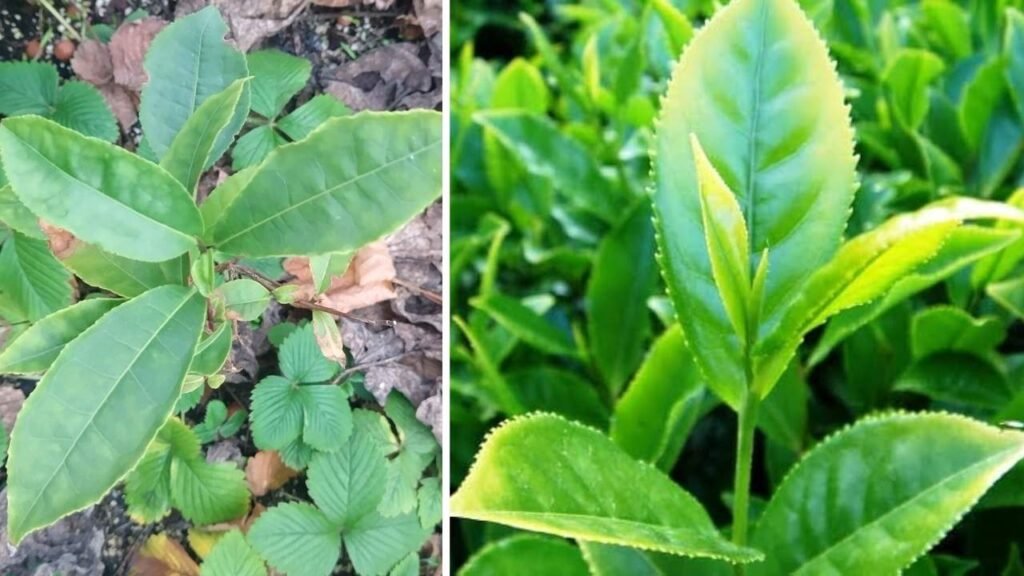
Knowing when and how to harvest is the key to quality tea. The best leaves come from the top growth, usually the youngest two leaves and a bud. These tender leaves contain the most flavor and nutrients. Harvesting too early or too late can affect taste. Regular picking encourages new growth, creating a continuous cycle of production. With practice, you’ll develop a natural rhythm for harvesting that ensures both quality and sustainability without stressing the plant.
Fresh brewing changes experience
Fresh tea brewing is a completely different experience compared to packaged tea. The leaves release a softer, more natural aroma that feels refreshing rather than intense. You can lightly crush the leaves and steep them in hot water to create a clean, smooth cup. The flavor is subtle yet complex, giving you a more authentic tea experience. This daily ritual feels calming and personal, turning a simple drink into a moment of relaxation and mindfulness.
Customize flavors your way
One of the biggest advantages of growing your own tea is customization. You can experiment with different processing styles to create green tea, black tea, or even light fermented variations. Adding herbs like mint, lemongrass, or tulsi enhances both flavor and health benefits. This flexibility allows you to create blends that suit your taste perfectly. Over time, your tea becomes unique to you, something no store-bought brand can truly replicate.
Wellness benefits beyond taste
Homegrown tea offers more than just great flavor. It’s packed with antioxidants and natural compounds that support digestion, improve focus, and reduce stress. Since you control the entire growing process, there’s no exposure to harmful chemicals or artificial additives. Drinking fresh tea regularly can improve overall wellness and energy levels. It becomes a small but powerful habit that contributes to a healthier lifestyle without requiring major changes.
Balcony garden transformation idea
Even a small balcony can become a productive tea garden with the right setup. A few pots, proper sunlight, and consistent care are enough to get started. You can combine tea plants with other herbs to create a mini wellness garden. This not only improves aesthetics but also makes your space more functional. Watching your plants grow and harvesting your own tea adds a sense of achievement that transforms your living environment completely.
Common mistakes avoid early
Many beginners make simple mistakes that can slow down progress. Overwatering is one of the most common issues that damages roots. Ignoring pruning can lead to weak and uneven growth. Using poor-quality soil affects plant health from the start. Lack of patience is another major factor, as tea plants take time to mature. Avoiding these mistakes early helps you build a strong foundation and ensures long-term success in your tea gardening journey.
Long term growth and patience
Tea plants are not about quick results, they are about long-term rewards. The plant grows slowly but becomes more productive over time. With proper care, a single plant can provide leaves for years. This makes it a sustainable investment for your lifestyle. The patience you invest in nurturing the plant pays off through consistent harvests and better quality leaves. It’s a reminder that good things take time, especially when it comes to natural growth.
Final Word: Tea Garden Magic 2026
Growing tea at home in 2026 is more than just a gardening activity, it’s a lifestyle upgrade. It brings freshness, control, and wellness into your daily routine without much effort. From planting and nurturing to harvesting and brewing, every step feels rewarding. The taste, the process, and the connection all combine to create something truly special. Once you experience your own homegrown tea, it becomes a habit you’ll never want to give up.
