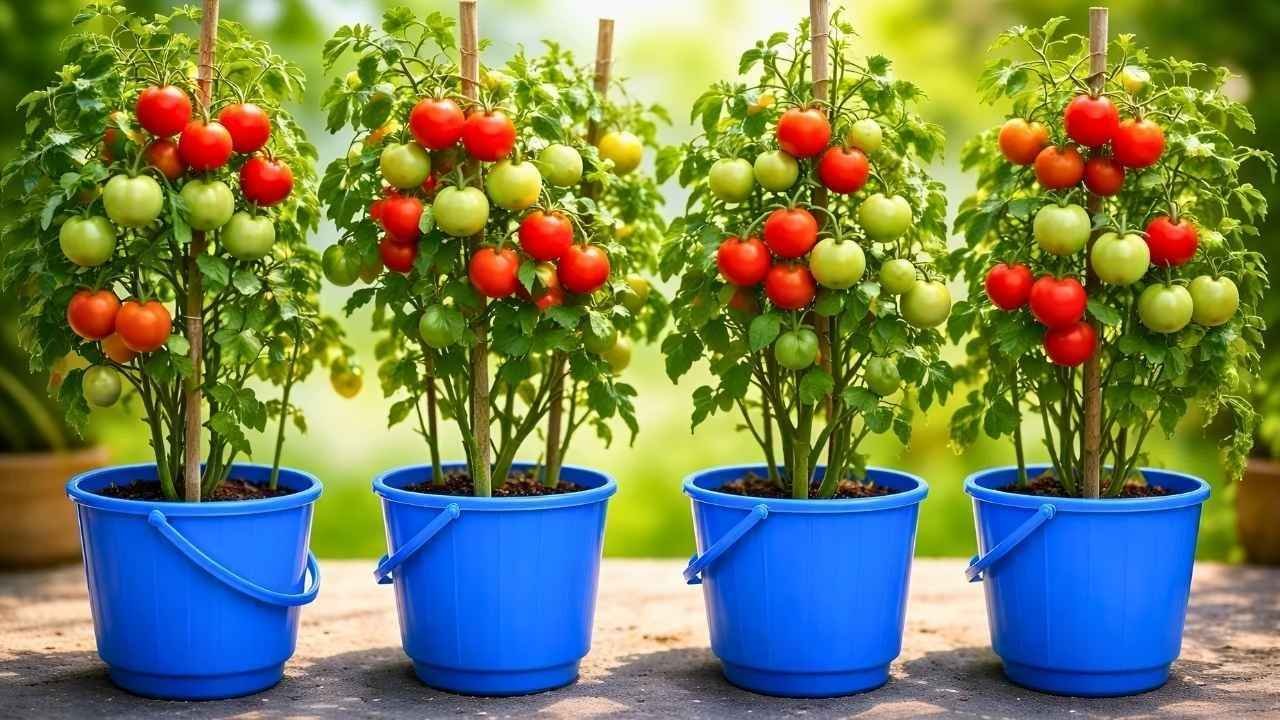
High Yield Tomato Farming 2026: Tomato farming is changing fast in 2026, and growers who understand the new approach are already seeing bigger yields and better profits. The focus has shifted from heavy chemical use to smarter, sustainable practices that improve both soil and plant health. From organic nutrition to precision pruning and climate-smart strategies, every step now plays a direct role in how many tomatoes you harvest. This guide brings fresh, practical insights that actually work on the ground.
Soil Strength Drives Everything
The journey of a high-yield tomato crop starts beneath the surface. Modern farmers are no longer guessing soil quality; they are actively improving it. Loose, well-drained soil rich in organic matter helps roots expand faster and absorb nutrients efficiently. Adding compost, farmyard manure, and biochar improves soil structure and increases water retention.
Healthy soil also supports beneficial microbes that break down nutrients naturally. When microbial life is strong, plants grow faster, resist diseases, and produce more fruits. A simple practice like adding organic mulch can further improve soil temperature and reduce moisture loss.
Organic Feeding Boosts Growth
Organic fertilizers are becoming the backbone of modern tomato farming. They release nutrients slowly, ensuring steady plant growth without shocking the roots. Farmers are using combinations of vermicompost, neem cake, and seaweed extracts to feed their crops naturally.
Key benefits of organic feeding include:
- Improved fruit taste and shelf life
- Stronger plant immunity
- Better soil fertility over time
- Reduced dependency on chemical inputs
Liquid fertilizers like compost tea are especially useful during flowering and fruiting stages. They provide instant nutrition while maintaining soil health, making them a perfect fit for high-yield farming.
Smart Pruning Creates Big Fruits
Pruning is not just about cutting leaves; it is about directing plant energy. Tomato plants often grow unnecessary shoots that consume nutrients but do not contribute to fruit production. Removing these suckers allows the plant to focus on developing bigger and healthier tomatoes.
Farmers are now using selective pruning techniques based on plant type. Indeterminate varieties require regular pruning, while determinate ones need minimal trimming. Proper pruning also improves air circulation, reducing fungal diseases and ensuring uniform fruit ripening.
Water Strategy Makes Difference
Water management can make or break your tomato harvest. Instead of flooding the field, modern growers use drip irrigation systems that deliver water directly to the root zone. This reduces wastage and prevents diseases caused by excess moisture.
Important water management practices include:
- Maintaining consistent soil moisture
- Avoiding water stress during flowering
- Using mulch to retain moisture
- Scheduling irrigation based on weather conditions
Balanced watering ensures that fruits develop evenly, reducing problems like cracking and blossom end rot.
Pest Control Without Chemicals
Chemical pesticides are no longer the first choice for many farmers. Natural pest control methods are proving to be just as effective, with fewer side effects. Neem oil sprays, garlic solutions, and fermented buttermilk mixtures are widely used to control pests and diseases.
Integrated pest management is the new standard approach. It involves regular monitoring, early detection, and timely action. By combining natural solutions with proper crop spacing and hygiene, farmers can protect their crops without harming the environment.
Climate Ready Farming Methods
Weather conditions are becoming unpredictable, and farmers are adapting quickly. Climate-smart farming techniques help protect tomato crops from extreme heat, heavy rain, and sudden temperature changes.
Common protective methods include:
- Using shade nets during high temperatures
- Growing in polyhouses for controlled conditions
- Selecting heat-resistant varieties
- Adjusting planting schedules based on climate trends
These strategies ensure consistent production even in challenging weather, making farming more reliable and profitable.
High Yield Variety Selection
Choosing the right variety is one of the most important decisions in tomato farming. Modern hybrids are designed to offer higher yield, disease resistance, and better fruit quality.
Here is a quick comparison of ideal tomato traits:
| Feature | Ideal Requirement |
|---|---|
| Yield Potential | High fruit per plant |
| Disease Resistance | Strong against wilt and blight |
| Fruit Size | Medium to large uniform fruits |
| Shelf Life | Long lasting after harvest |
| Climate Adaptability | Suitable for local weather |
Farmers who select the right variety based on their region often see significantly better results compared to traditional seeds.
Nutrient Timing Unlocks Potential
Applying nutrients at the right time is just as important as choosing the right fertilizer. Tomato plants have different needs at different stages of growth. Early stages require nitrogen for leaf development, while flowering stages need more phosphorus and potassium.
A smart nutrient schedule ensures balanced growth:
- Early stage for root and leaf growth
- Flowering stage for bud formation
- Fruiting stage for size and quality
This stage-wise feeding approach prevents nutrient deficiency and maximizes yield potential.
Harvest Smart Increase Profit
Harvesting is not just the final step; it directly impacts your income. Tomatoes should be picked at the correct maturity stage depending on the market. Slightly unripe fruits are ideal for transport, while fully ripe ones fetch better prices locally.
Key harvesting tips include:
- Harvest during cooler hours of the day
- Handle fruits gently to avoid damage
- Sort and grade based on size and quality
- Store in a cool and dry place
Proper post-harvest handling reduces losses and increases market value, ensuring better profits for farmers.
Final Word: High Yield Tomato Farming 2026
High-yield tomato farming in 2026 is all about precision, balance, and smart decision-making. Farmers who focus on soil health, organic nutrition, and modern techniques are achieving better results than ever before. Every small improvement, from pruning to watering, adds up to a significant increase in production.
The future belongs to growers who combine traditional knowledge with new-age strategies. By following these proven methods, anyone can turn tomato farming into a highly profitable and sustainable venture.
