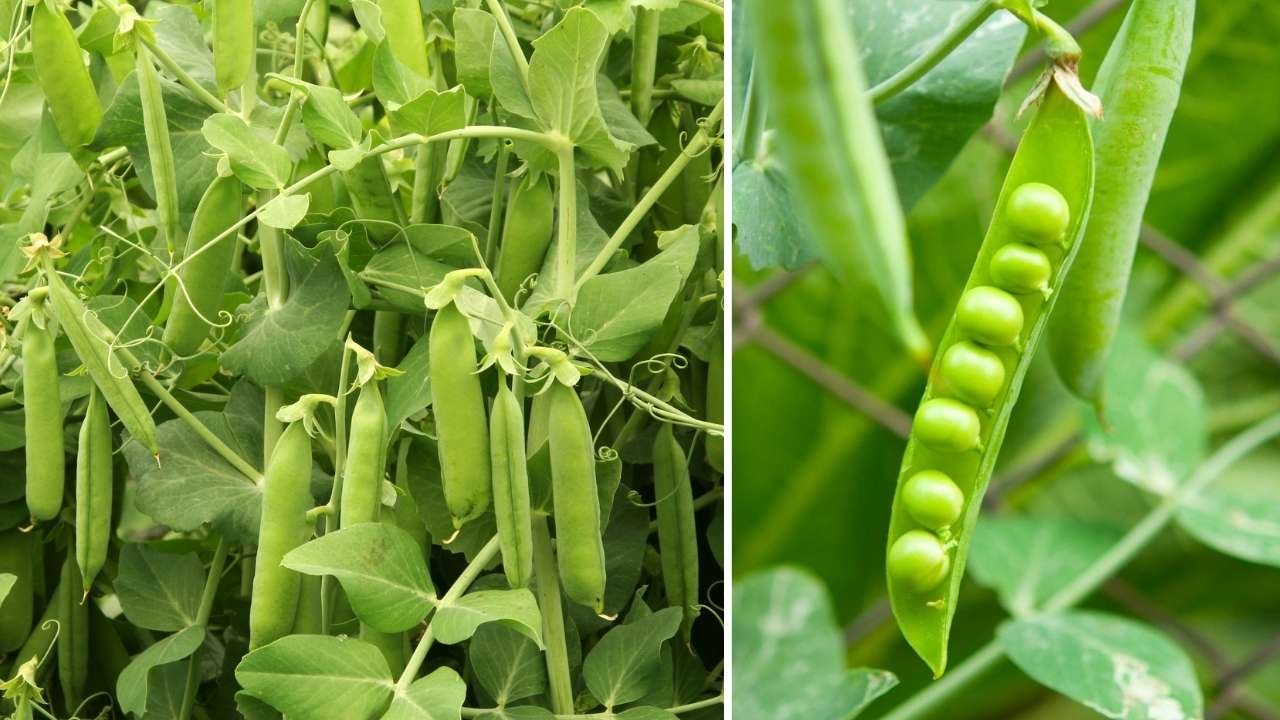
Grow Peas at Home 2026 Guide: Fresh green peas straight from your balcony taste completely different from store-bought ones. The sweetness, crunch, and freshness instantly upgrade your meals, whether it’s poha, pulao, or sabzi. Home-grown matar is not just about saving money, it’s about controlling quality, avoiding chemicals, and enjoying the process of growing your own food. With modern balcony farming techniques in 2026, even a small urban space can turn into a productive green zone.
Seeds That Decide Success
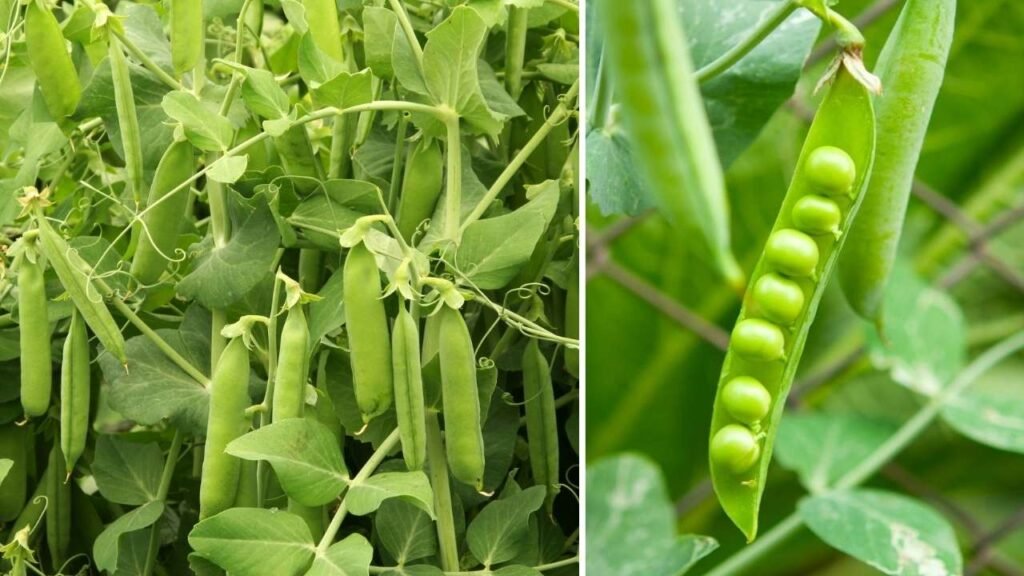
The journey of a successful pea harvest starts with the right seeds. Always choose fresh, disease-free seeds because old or treated seeds reduce germination rate. Soaking seeds for eight to twelve hours helps them sprout faster and stronger. Direct sowing works best for peas, as they don’t like transplanting. Place seeds about one inch deep and keep enough spacing to avoid overcrowding. Strong seedlings ensure better resistance to pests and a higher yield later.
Quick Seed Tips
- Use organic or untreated seeds for better results
- Soak seeds overnight for faster germination
- Maintain proper spacing between seeds
- Avoid transplanting to prevent root damage
Balcony Setup That Wins
A well-planned balcony setup can double your harvest without increasing space. Peas are climbers, so vertical gardening is the key. Install a simple support system using ropes, sticks, or a small trellis. Place containers where they get gentle sunlight for at least five hours daily. Avoid extreme heat zones like direct afternoon sun. Proper airflow and spacing between pots prevent fungal problems and help plants grow healthier and faster.
Ideal Balcony Conditions
- 4 to 6 hours sunlight daily
- Good airflow between plants
- Vertical support for climbing vines
- Protection from harsh winds
Soil Mix That Powers Growth
Healthy soil acts like fuel for your plants. A balanced soil mix ensures roots grow deeper and absorb nutrients efficiently. The best combination includes garden soil, cocopeat, and compost in equal ratio. This keeps the soil loose and well-drained. Adding vermicompost boosts microbial activity, which improves plant health naturally. Avoid compact or clay-heavy soil because it restricts root development and causes water retention issues.
Recommended Soil Mix Table
| Component | Quantity | Benefit |
|---|---|---|
| Garden Soil | 1 Part | Base structure |
| Cocopeat | 1 Part | Moisture retention |
| Compost | 1 Part | Nutrient supply |
| Vermicompost | Optional | Boost growth |
Watering Strategy That Works
Watering peas correctly is more important than watering them frequently. The soil should remain slightly moist but never soggy. Overwatering can lead to root rot and yellow leaves, while underwatering slows growth and reduces flowering. Check the top layer of soil before watering. Early morning watering is ideal because it allows plants to absorb moisture effectively throughout the day.
Watering Tips
- Water only when topsoil feels dry
- Avoid waterlogging at all costs
- Prefer morning watering routine
- Reduce watering in cold weather
Natural Nutrition Boost
Pea plants do not need heavy feeding, but they still benefit from occasional organic nutrition. Compost tea, cow dung manure, or liquid organic fertilizers work best. Feeding once every two weeks is enough to maintain healthy growth. Avoid excessive nitrogen fertilizers because peas naturally fix nitrogen in the soil. Balanced feeding supports better flowering and increases pod production.
Best Organic Feeding Options
- Compost tea for quick absorption
- Vermicompost for slow release nutrients
- Cow dung manure for natural growth
- Neem cake for pest protection
Support System For Climbing
Peas are natural climbers, and giving them proper support increases yield significantly. Without support, plants may spread on the soil and become prone to diseases. Use bamboo sticks, ropes, or netting to guide the vines upward. As plants grow, gently tie them to the support structure. Vertical growth improves sunlight exposure and airflow, resulting in healthier plants and more pods.
Flowering To Pod Journey
Once the plant reaches maturity, small flowers begin to appear. These flowers eventually turn into pea pods. During this stage, consistent care is very important. Avoid disturbing the plants and maintain proper watering. Good sunlight and airflow help in successful pollination. Within a couple of weeks, pods become ready for harvesting. Regular picking encourages the plant to produce more flowers.
Common Problems Simple Fix
Even beginners can easily handle common pea plant issues. Yellow leaves are usually caused by overwatering or poor drainage. Slow growth may indicate lack of sunlight or nutrients. Aphids and small pests can be controlled using neem oil spray. Keeping the plant clean and checking regularly helps prevent major problems. Early action ensures your plants remain healthy and productive.
Harvest Timing That Matters
Harvesting peas at the right time makes a huge difference in taste and quality. Pods should be plump but still soft. Over-mature pods become hard and lose sweetness. Pick pods gently using your fingers to avoid damaging the plant. Regular harvesting encourages new growth and increases overall yield. Fresh peas from your balcony are always more nutritious and flavorful.
Year Round Growing Trick
Growing peas throughout the year is possible with smart planning. In cooler months, they grow naturally outdoors. During hotter months, partial shade and proper watering help maintain growth. You can stagger planting every two to three weeks to ensure continuous supply. Choosing different varieties also helps in year-round production. This method ensures you always have fresh matar available at home.
Final Word: Grow Peas at Home 2026 Guide
Growing peas at home in 2026 is one of the easiest and most rewarding balcony farming projects. With the right seeds, proper soil, smart watering, and basic care, anyone can enjoy fresh, chemical-free matar anytime. It not only improves your food quality but also adds a green touch to your living space. Start with a small setup, follow the right techniques, and your balcony will soon turn into a productive mini farm full of fresh peas.
