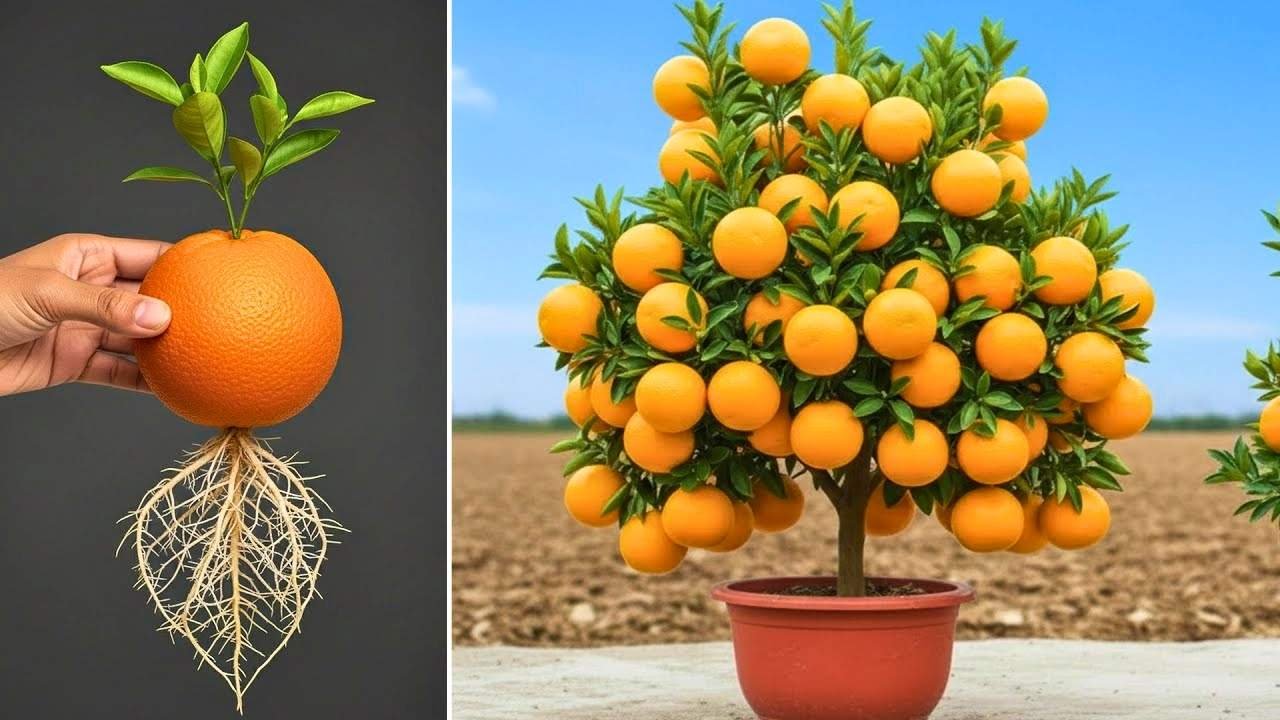
Grow Orange Tree at Home 2026: Fresh oranges straight from your own plant feel different, taste better, and bring a sense of satisfaction that store-bought fruits never match. Home citrus gardening is no longer limited to large farms. With smarter methods, improved soil techniques, and compact varieties, growing an orange tree at home in 2026 has become simple, practical, and highly rewarding. Even a small balcony can turn into a productive citrus corner if you follow the right strategy.
Pick High Yielding Variety
The success of your orange tree begins with choosing the right variety. Not all citrus plants are suitable for home gardening, especially in pots. Dwarf and grafted varieties are the best choice because they grow faster and start fruiting early. Popular options like Nagpur Orange, Malta, and Valencia are known for high yield and strong adaptability. Always go for a healthy nursery plant instead of seeds because seed-grown plants take years to produce fruits.
Setup Strong Root Foundation
A strong base ensures faster growth and long-term productivity. Choose a pot that is at least 20 inches wide and deep so roots can expand freely. Proper drainage holes are essential to avoid water accumulation. The soil mix should be loose, airy, and nutrient-rich. A perfect combination includes garden soil, river sand, compost, and cocopeat. This mix allows roots to breathe, absorb nutrients efficiently, and grow faster without stress.
Ideal Growing Setup Table
| Factor | Recommended Setup |
|---|---|
| Pot Size | 20–24 inch wide and deep |
| Soil Mix | Garden soil + Sand + Compost + Cocopeat |
| Sunlight | 6–8 hours direct sunlight |
| Watering | When top soil is dry |
| Fertilizer | Organic compost every 15–20 days |
| Pruning | Light pruning every month |
Give Maximum Sun Exposure
Sunlight is the real engine behind fruit production. Orange trees require full sunlight for healthy growth and sweet fruit development. Place your plant where it gets at least 6 to 8 hours of direct sunlight daily. Lack of sunlight leads to weak branches and fewer fruits. If growing indoors, keep the plant near a bright window and rotate it regularly so all sides receive equal exposure.
Master Smart Watering Routine
Watering is not about frequency, it is about timing. Overwatering can damage roots and slow down growth, while underwatering can stress the plant. Always check the top soil before watering. If it feels dry, water deeply until it drains out from the bottom. In summer, watering may be needed every 2 to 3 days, while in winter it should be reduced. Balanced watering keeps the plant active and supports consistent fruit development.
Boost Growth With Organic Feeding
Feeding your plant correctly can double your yield. Orange trees need a steady supply of nutrients throughout their growth cycle. Use organic fertilizers like vermicompost, cow dung manure, and neem cake regularly. During flowering, phosphorus-rich nutrients help in better fruit setting. Liquid fertilizers like compost tea or banana peel solution provide quick nutrition and improve overall plant health.
Essential Nutrient Boost Tips
• Add vermicompost every 15 days for steady growth
• Use neem cake to protect roots and improve soil quality
• Apply banana peel fertilizer during flowering stage
• Avoid chemical fertilizers in early growth stages
• Use liquid compost once a week for fast results
Prune For Better Airflow
Pruning is a simple technique that creates a big impact. Removing extra branches allows the plant to focus its energy on healthy growth and fruit production. Cut off dead, weak, or overcrowded branches to improve airflow and sunlight penetration. This reduces the risk of diseases and promotes stronger branches. Light pruning once every few weeks keeps the plant balanced and productive.
Control Pests Without Chemicals
Pests are common in citrus plants but can be controlled naturally. Aphids, mealybugs, and mites can damage leaves and reduce growth. Instead of using harsh chemicals, go for eco-friendly solutions. Neem oil spray works effectively against most pests. Soap water spray is another easy and safe option. Regular inspection of leaves helps in early detection and prevents major damage.
Trigger Faster Flowering Naturally
Flowering is the stage where your efforts start showing results. To encourage flowering, slightly reduce watering for a short period and then resume normal watering. This technique creates mild stress, which triggers the plant to produce flowers. Adding phosphorus-rich fertilizer during this stage boosts flower development and increases fruit set. Healthy flowering directly leads to better yield.
Improve Fruit Size And Taste
Getting fruits is one thing, but getting large, juicy, and sweet oranges is the real goal. Proper nutrition, consistent watering, and good sunlight play a major role in fruit quality. Remove small or excess fruits early so the plant can focus on developing fewer but bigger fruits. Potassium-rich fertilizers improve sweetness and color, making your harvest more attractive and delicious.
Seasonal Care Makes Huge Difference
Every season requires a different approach. In summer, protect the plant from extreme heat by providing light shade during peak afternoon hours. In winter, reduce watering and avoid overfeeding. During monsoon, ensure proper drainage to prevent root rot. Seasonal adjustments help the plant stay healthy throughout the year and maintain consistent productivity.
Seasonal Care Quick Guide
• Summer: Increase watering and provide partial shade
• Winter: Reduce watering and protect from cold winds
• Monsoon: Ensure drainage and avoid waterlogging
• Spring: Focus on feeding and flowering support
• Autumn: Light pruning and pest control
Common Mistakes To Avoid Early
Many beginners struggle because of simple mistakes. Avoid using small pots as they restrict root growth. Do not overwater the plant as it leads to root rot. Ignoring sunlight requirements can reduce fruiting significantly. Avoid heavy chemical fertilizers as they can damage the soil structure. Consistency in care is more important than doing too much at once.
Harvest At Perfect Time
Timing your harvest correctly ensures the best taste. Oranges do not ripen after being plucked, so wait until they are fully colored and slightly soft to touch. Taste one fruit before harvesting the rest to check sweetness. Use clean scissors to cut fruits instead of pulling them, as this protects the plant from damage.
Final Word: Grow Orange Tree at Home 2026
Growing an orange tree at home in 2026 is not just a hobby, it is a smart and rewarding lifestyle choice. With the right variety, proper sunlight, balanced watering, and organic feeding, you can enjoy a continuous supply of fresh, chemical-free oranges. Small efforts done consistently bring big results over time. Follow these proven tips, stay patient, and your home garden will soon turn into a high-yield citrus paradise.
