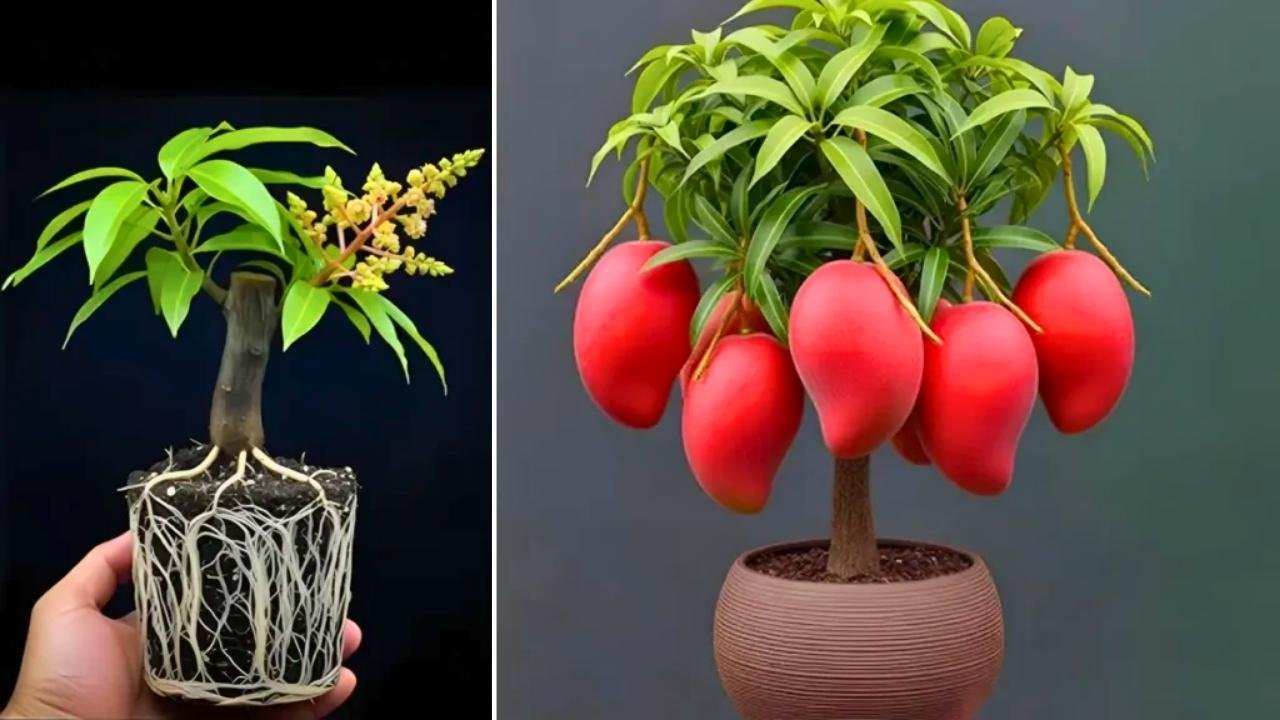
Grow Mango in Pot 2026: Growing a mango tree in a pot is no longer a luxury idea limited to large farmhouses. Urban gardeners in 2026 are turning balconies and terraces into productive green spaces, and mango is leading the trend. With smarter techniques, improved grafted varieties, and better soil management, you can now grow a fruit-bearing mango tree even in a compact apartment setup. The key lies in understanding how to control growth, feed the plant correctly, and create a micro-environment that mimics natural tropical conditions.
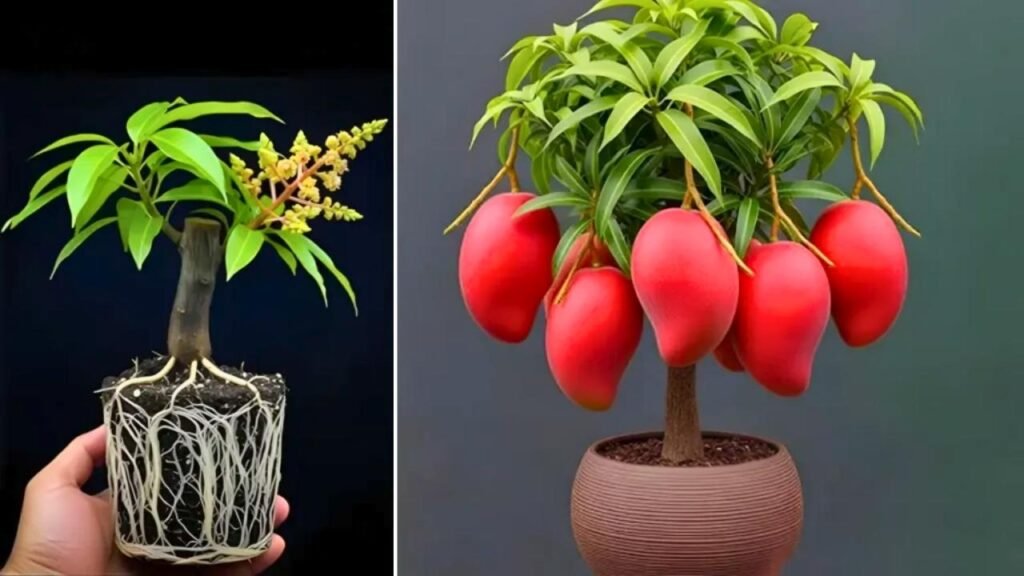
Pick High Yield Dwarf Types
The success of container mango gardening starts with selecting the right variety. Dwarf and semi-dwarf grafted plants are ideal because they stay compact and start fruiting early. Popular choices include Alphonso, Amrapali, Mallika, and Kesar. These varieties are specially suited for pots and terrace setups. A grafted plant ensures quicker fruiting, usually within two to three years, while seed-grown plants may take much longer and grow too tall for limited spaces.
Right Container Builds Foundation
A strong container directly impacts root health and overall plant growth. Choose a pot that is at least 20 to 24 inches deep and equally wide. This gives enough room for roots to expand without stress. Containers with proper drainage holes are essential to prevent water accumulation. Grow bags are becoming popular in 2026 because they are lightweight, breathable, and easy to shift. A stable base ensures the plant grows upright and remains healthy during windy conditions.
Ideal Container Setup
| Feature | Recommendation |
|---|---|
| Minimum Size | 20–24 inches |
| Material | Terracotta or grow bag |
| Drainage | Multiple holes |
| Base Layer | Pebbles or broken tiles |
| Placement | Sunny balcony or terrace |
Powerful Soil Mix Secrets
The soil mix you use decides how fast your mango plant grows. A well-balanced mix provides both nutrition and drainage. Combine garden soil, compost, and cocopeat or sand in equal ratios. This ensures the roots get oxygen while retaining enough moisture. Adding neem cake or organic manure boosts microbial activity and protects against pests. Avoid compact soil, as it slows down root expansion and reduces plant energy.
Sunlight Is Growth Engine
Mango trees thrive in full sunlight, making sun exposure the most critical factor for success. Place your pot in a location that receives at least six to eight hours of direct sunlight daily. A terrace is usually the best option, but a bright balcony can also work. Sunlight enhances photosynthesis, strengthens branches, and supports flowering. Without adequate light, the plant may grow weak and fail to produce fruits.
Smart Watering Strategy Works
Watering needs to be balanced carefully. Mango plants do not like waterlogged soil, so always check the top layer before watering. When the soil feels dry, water deeply until it drains out from the bottom. Reduce watering during winter months when growth slows down. Consistent moisture without excess water keeps roots healthy and prevents fungal issues. This simple habit can significantly improve plant health and fruiting potential.
Pruning Boosts Strong Branching
Pruning helps shape the plant and keeps it manageable in a small space. Removing weak, dead, or overcrowded branches improves airflow and sunlight penetration. It also encourages the plant to grow bushier rather than taller, which is perfect for pots. Regular pruning after the fruiting season prepares the plant for the next growth cycle. A well-maintained structure leads to better flowering and higher fruit yield.
Fertilizer Timing Changes Results
Feeding your mango plant correctly can make a visible difference in growth speed and fruit quality. Organic fertilizers are highly recommended for container gardening.
Essential Feeding Plan
- Apply vermicompost every 3 to 4 weeks
- Use liquid organic fertilizer twice a month
- Add neem cake for pest resistance
- Provide phosphorus-rich fertilizer before flowering
- Avoid excess nitrogen to prevent only leaf growth
A consistent feeding schedule ensures the plant remains energetic and productive throughout the year.
Pest Control Without Chemicals
Balcony and terrace plants are often vulnerable to pests like aphids, mites, and mealybugs. Early detection is key to prevention. Regularly inspect leaves, especially the underside. Neem oil spray works as a natural and effective solution to keep pests under control. Maintaining clean surroundings and proper airflow also reduces infestation risks. Healthy plants are naturally more resistant to diseases.
Trigger Faster Flowering Naturally
Getting your mango plant to flower early requires a few smart techniques. Slight water stress before the flowering season can encourage bud formation. Reducing nitrogen intake and increasing phosphorus helps shift the plant’s focus from leaves to flowers. Proper sunlight and pruning also play a major role. These small adjustments can help your plant produce flowers faster, even in a container environment.
Repotting Revives Growth Energy
As the plant grows, its roots may outgrow the container, leading to slower development. Repotting every two to three years refreshes the soil and provides more space for root expansion. Choose a slightly larger pot and carefully transfer the plant without damaging the root ball. Fresh soil improves nutrient absorption and boosts plant energy. This step is crucial for long-term productivity.
Common Mistakes To Avoid
Even experienced gardeners make small mistakes that can affect mango growth. Avoid these to ensure better results:
- Using heavy or clay soil that blocks drainage
- Overwatering, leading to root rot
- Placing the plant in low-light areas
- Skipping regular pruning
- Overusing chemical fertilizers
Correcting these mistakes can instantly improve plant performance and prevent long-term damage.
Harvesting Feels Truly Rewarding
Watching your mango plant grow from a small sapling to a fruit-bearing tree is a satisfying journey. Once fruits start forming, support the branches if needed to handle weight. Allow mangoes to ripen naturally on the tree for the best taste. Harvesting homegrown mangoes not only saves money but also ensures chemical-free, fresh produce for your family.
Final Word: Grow Mango in Pot 2026
Growing mango in a pot in 2026 is all about smart planning and consistent care. With the right variety, proper soil mix, balanced watering, and timely pruning, even a small balcony can produce delicious mangoes. This method is not just about gardening but about creating a sustainable and rewarding lifestyle. Stay patient, follow these proven techniques, and you will enjoy fresh mangoes straight from your own home, proving that space is never a limitation when the strategy is right.
