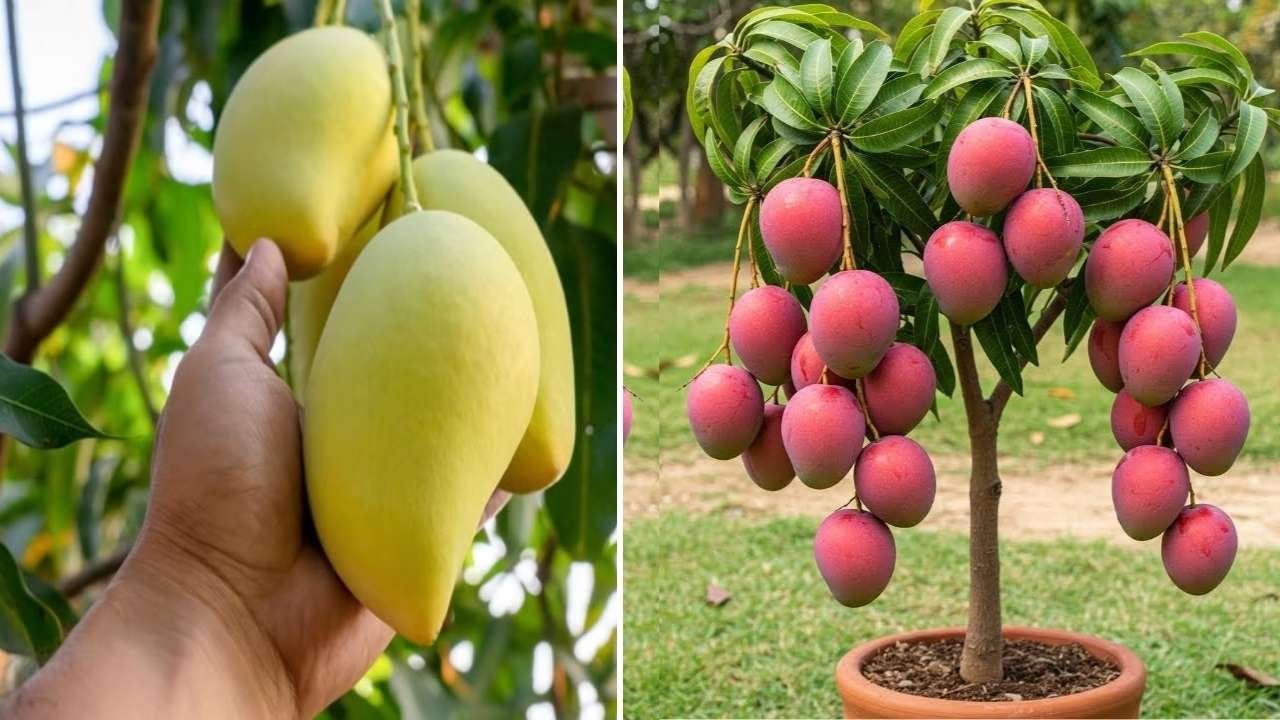
Mango Tree Secrets 2026: Warm sunshine, fresh soil, and the promise of sweet, golden fruit—this is what makes growing a mango tree feel so rewarding. A mango tree is not just another plant in your backyard; it becomes a living companion that grows with you over the years. From its glossy green leaves to its fragrant blossoms and finally to its juicy fruits, every stage brings excitement. With the right strategy and a little patience, you can turn even a small space into a tropical fruit haven.
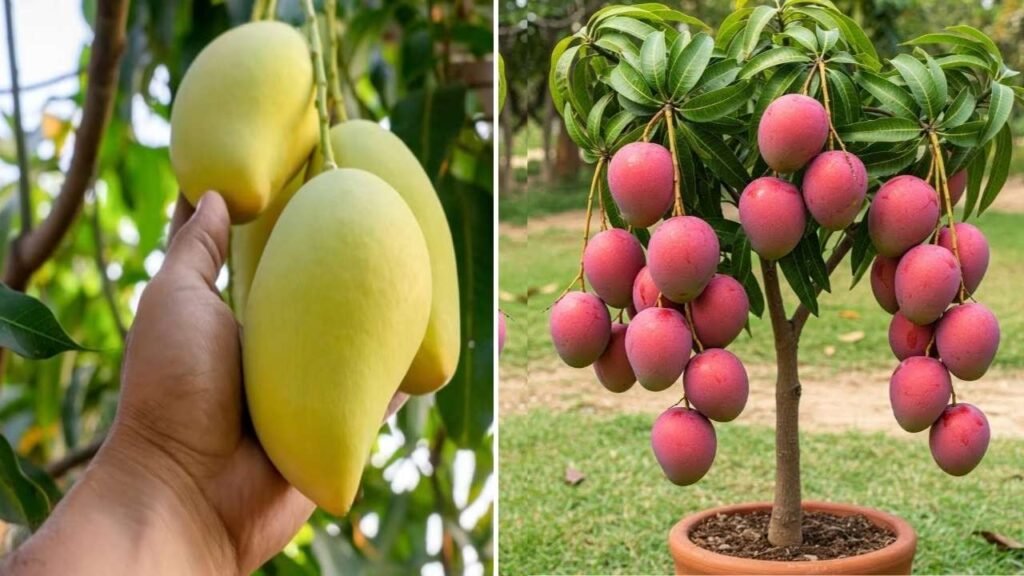
Pick A Winning Mango Variety
Choosing the right mango variety is where success truly begins. Some trees grow huge and need open land, while others stay compact and are perfect for terraces or backyards. Dwarf varieties like Alphonso hybrids or Amrapali are excellent for small spaces. Climate compatibility is equally important, as mango trees thrive best in warm conditions. Selecting a variety suited to your region ensures better flowering, healthier growth, and ultimately sweeter fruits.
Seed Germination Made Simple
Growing a mango from seed is one of the most satisfying gardening experiences. Start by removing the outer shell and extracting the inner seed carefully. Plant it in moist, well-draining soil with the curved edge facing upward. Keep it in a warm, bright place and maintain slight moisture. Within a couple of weeks, you’ll notice a sprout emerging. Though seed-grown trees take longer to fruit, they offer a deep connection to the entire growing journey.
Grafted Trees Grow Faster
If you want quicker results, grafted mango plants are the smarter option. These trees are already developed from a mature plant and begin fruiting much earlier than seed-grown ones. They also maintain the exact fruit quality of the parent tree. While they may cost a bit more initially, they save years of waiting time. For most backyard growers aiming for faster harvests, grafted plants provide a reliable and efficient solution.
Soil Secrets For Healthy Roots
The health of your mango tree depends heavily on the soil you provide. Mango trees prefer loose, well-drained soil rich in organic matter. Adding compost, sand, and garden soil in the right ratio creates an ideal growing medium. Avoid waterlogged conditions at all costs, as mango roots are sensitive to excess moisture. Healthy soil promotes strong root development, which directly impacts the tree’s growth, stability, and fruit production over time.
Sunlight Drives Sweet Success
Sunlight is the powerhouse behind every successful mango tree. These trees require full sun exposure for at least six to eight hours daily. Lack of sunlight can lead to weak growth and poor fruiting. Position your tree in the brightest spot available, whether in a garden or on a terrace. Adequate sunlight not only improves growth but also enhances the sugar content in fruits, giving you that rich, authentic mango flavor.
Water Smart Not Excessive
Watering a mango tree is about balance rather than quantity. Young plants need regular watering to establish roots, but mature trees are naturally drought-tolerant. Overwatering can lead to root rot, which is one of the most common problems growers face. Allow the top layer of soil to dry slightly before watering again. During flowering and fruit development stages, consistent moisture helps improve fruit size and quality without stressing the tree.
Pruning Builds Strong Structure
Pruning plays a crucial role in shaping your mango tree for long-term success. Removing weak, diseased, or overcrowded branches allows better airflow and sunlight penetration. This not only improves plant health but also increases fruit yield. Regular pruning also keeps the tree manageable in size, especially for urban gardeners. A well-maintained structure ensures that your mango tree remains productive and visually appealing year after year.
Feed Nutrients At Right Time
Fertilizing your mango tree correctly can make a noticeable difference in fruit quality. Organic options like compost, vermicompost, and natural manure provide essential nutrients without harming the soil. Apply fertilizers during the growing season to support flowering and fruiting. Avoid excessive nitrogen, as it encourages leaf growth over fruit production. Balanced nutrition ensures your tree produces juicy, flavorful mangoes that taste far better than store-bought ones.
Flowering Stage Needs Attention
The flowering stage is one of the most delicate phases in a mango tree’s life cycle. During this period, avoid excessive watering or fertilization, as it can disrupt flower formation. Protect the tree from strong winds and sudden temperature changes. Healthy flowers increase the chances of successful fruit setting. Observing and supporting your tree during this stage significantly improves the overall yield and quality of your harvest.
Protect Tree From Common Pests
Mango trees can attract pests like aphids, mealybugs, and fruit flies if not monitored carefully. Regular inspection helps you catch problems early. Natural remedies such as neem oil sprays and homemade organic solutions work effectively without harming the plant. Maintaining cleanliness around the tree and ensuring proper airflow reduces the chances of infestation. A proactive approach keeps your mango tree healthy and your fruits safe to consume.
Container Growing Is Possible
Limited space doesn’t mean you can’t grow a mango tree. With the right container and care, mango trees can thrive even in pots. Choose a large container with proper drainage holes and use a nutrient-rich soil mix. Regular pruning and controlled watering help maintain size and health. Container-grown mango trees are ideal for balconies and terraces, allowing urban gardeners to enjoy fresh fruits without needing a large garden.
Seasonal Care Boosts Yield
Understanding seasonal changes helps you care for your mango tree more effectively. During summer, ensure adequate watering and mulch to retain soil moisture. In winter, reduce watering and protect young plants from cold stress. Each season brings different needs, and adjusting your care routine accordingly keeps the tree strong throughout the year. Seasonal awareness is a key factor in achieving consistent and high-quality fruit production.
Harvest Timing Changes Flavor
Harvesting mangoes at the right time makes a huge difference in taste. Picking them too early results in less sweetness, while waiting too long can lead to overripe fruit. Look for slight color changes, a mild fruity aroma, and a gentle softness. Proper harvesting ensures that you enjoy mangoes at their peak flavor. Learning this timing transforms your harvest from average to exceptional.
Long Term Care Matters Most
A mango tree is a long-term investment that rewards you for years to come. Regular care, timely pruning, balanced nutrition, and pest control keep it productive. Over time, the tree becomes stronger and yields more fruit with less effort. Consistency is the real secret behind a thriving mango tree. The more attention you give in the early years, the better the results you’ll enjoy later.
Backyard Turns Into Paradise
Growing a mango tree changes the entire vibe of your space. It provides shade, enhances beauty, and fills the air with a tropical fragrance during flowering. Watching your tree grow and produce fruit creates a deep sense of satisfaction. It’s not just about gardening; it’s about building a connection with nature right in your backyard. The experience becomes as rewarding as the harvest itself.
Final Word: Mango Tree Secrets 2026
In the end, growing a mango tree is a journey filled with patience, care, and joy. From planting a seed or sapling to finally enjoying sweet, homegrown mangoes, every step feels meaningful. With the right techniques and a little dedication, anyone can create their own tropical escape at home. The true secret lies not just in growing the tree, but in enjoying every moment of the process.
