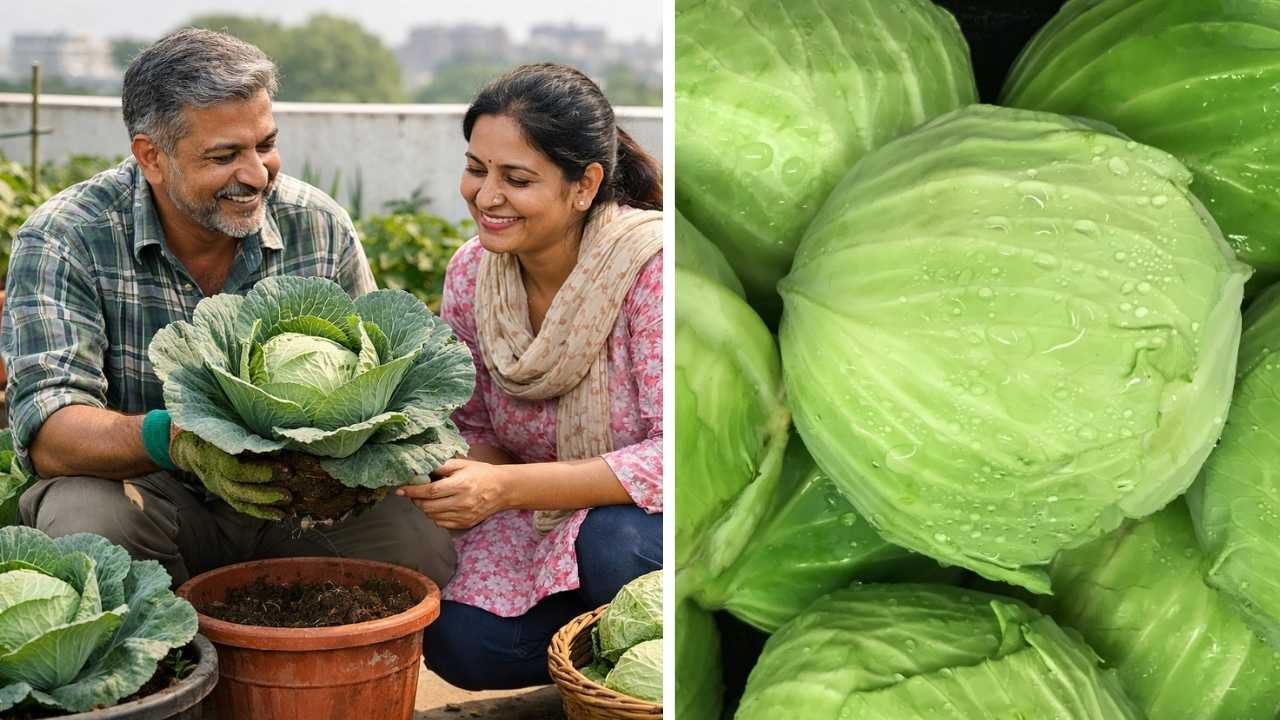
Grow Cabbage in Pots 2026: Fresh, crunchy cabbage straight from your own terrace hits differently. The satisfaction of cutting a firm, green cabbage that you grew yourself is unmatched. In 2026, more people are shifting toward terrace gardening not just for hobby but for healthy living and saving money. The best part is that cabbage is one of the easiest vegetables you can grow in pots if you follow the right process.
Many beginners think cabbage needs large farmland, but that’s not true anymore. With smart container gardening techniques and a few simple tricks, you can grow bigger, tighter cabbage heads even in a small space. This guide will help you understand every step in a practical, real-world way.
Right Pot Makes Difference
The success of cabbage growing starts with choosing the right container. A pot that is at least 10 to 12 inches deep gives enough room for root expansion. Wider containers help maintain proper spacing between plants. Always use pots with good drainage holes because stagnant water can damage roots quickly. Plastic, clay, or grow bags all work well. A strong root system built in the right pot directly influences how large and healthy your cabbage head will grow.
Seed Selection Changes Game
Seeds are the foundation of your entire harvest, so never compromise on quality. Choose fresh, high-germination seeds that are suitable for your local climate. Hybrid cabbage varieties often produce bigger and faster-growing heads, making them perfect for terrace gardeners. Starting seeds in a tray gives better control during early growth stages. Healthy seeds grow into strong plants, and strong plants always result in better yield and resistance to common problems.
Soil Mix Boosts Growth Fast
Cabbage needs rich, loose, and nutrient-packed soil to grow properly. A perfect mix includes garden soil, compost, and cocopeat in equal ratio. This combination ensures proper drainage and moisture retention at the same time. Adding vermicompost or organic manure enhances fertility and supports continuous growth. Avoid using heavy clay soil because it restricts root development. Good soil is not just a base, it’s the fuel that powers your cabbage from seedling to harvest.
Sunlight Drives Strong Heads
Sunlight plays a crucial role in cabbage formation. Your plants should receive at least 5 to 6 hours of direct sunlight daily for proper head development. Morning sunlight is ideal because it is gentle and promotes steady growth. Without enough sunlight, cabbage heads remain loose and small. Place your pots in an open terrace or balcony area where shadows do not block light for long hours. Consistent sunlight ensures dense and firm cabbage heads.
Water Balance Is Everything
Watering needs careful attention because cabbage prefers consistent moisture but not soggy soil. Always check the topsoil before watering. If it feels dry, it’s time to water. Overwatering can cause root rot, while underwatering slows growth and affects head formation. During hotter days, daily watering may be needed, but in cooler weather, reduce frequency. Balanced watering helps maintain steady growth and prevents stress that could impact your harvest quality.
Spacing Impacts Final Size
Spacing is one of the most overlooked factors in container gardening. When cabbage plants are too close, they compete for nutrients, water, and sunlight. This leads to smaller and weaker heads. Maintain at least 12 to 15 inches distance between plants in large containers. Proper spacing allows each plant to grow freely and develop fully. It also improves airflow, reducing the chances of fungal infections and pest infestations.
Feeding Unlocks Bigger Harvest
Cabbage is a heavy feeder and needs regular nutrients to grow big heads. Apply organic fertilizers every 10 to 15 days for consistent development. Liquid fertilizers like compost tea or cow dung solution work very effectively. Nitrogen supports leafy growth in early stages, while balanced nutrients help in head formation later. Feeding your plants at the right time ensures stronger growth and significantly increases the size and quality of the cabbage.
Pest Control Without Chemicals
Terrace-grown cabbage can still attract pests like aphids, caterpillars, and whiteflies. Regular inspection helps you detect problems early. Use neem oil spray or soap water solution as natural pest control methods. Avoid chemical pesticides, especially when growing vegetables at home. Healthy plants grown in good conditions are naturally more resistant. Keeping leaves clean and maintaining airflow reduces the chances of pest attacks significantly.
Smart Tricks For Bigger Heads
Getting bigger cabbage heads is not just about basic care, it’s about smart techniques. Slightly firming the soil around the base supports strong head formation. Removing weak outer leaves helps the plant focus energy on the main head. Maintaining consistent watering and feeding schedule avoids growth interruptions. Another effective trick is rotating pots occasionally to ensure even sunlight exposure. These small adjustments can make a big difference in your final harvest size.
Perfect Harvest Timing Matters
Knowing when to harvest is just as important as growing the plant. A cabbage is ready when the head feels firm and compact when pressed gently. If you delay harvesting, the head may split or lose its texture. Use a sharp knife to cut the cabbage from the base without damaging the plant. Harvesting at the right time ensures maximum freshness, better taste, and higher nutritional value.
Seasonal Timing Improves Results
Cabbage grows best in cool weather conditions, making winter and early spring ideal seasons. In hotter regions, growing during cooler months gives better results. High temperatures can affect head formation and reduce quality. Planning your sowing time according to your local climate ensures smoother growth. Terrace gardeners can slightly adjust conditions by placing pots in partially shaded areas during extreme heat.
Common Mistakes To Avoid
Many beginners face issues simply because of small mistakes. Overcrowding plants, using poor soil, irregular watering, and lack of sunlight are the most common problems. Ignoring pest control can also damage crops quickly. Avoid these mistakes by maintaining a routine and observing your plants regularly. Gardening success comes from consistency and attention to detail rather than complicated techniques.
Final Word: Grow Cabbage in Pots 2026
Growing cabbage in pots is one of the most rewarding and beginner-friendly gardening experiences in 2026. It does not require expensive tools or large space, just the right knowledge and consistency. With proper container selection, rich soil, good sunlight, and regular care, you can grow fresh, chemical-free cabbage at home.
Once you follow these proven steps and apply smart growing tricks, your terrace can easily turn into a productive mini farm. The taste, freshness, and satisfaction of home-grown cabbage will always be worth the effort.
