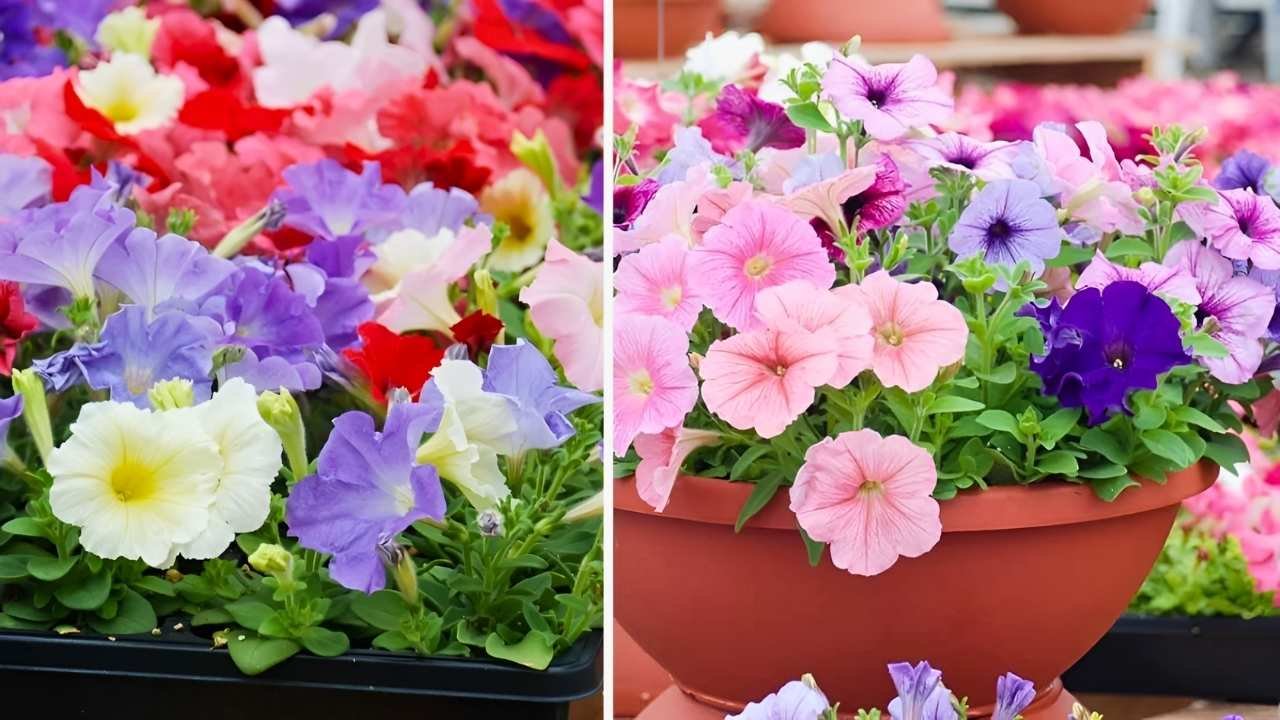
Petunia Success 2026: Petunias are among the most beloved garden flowers, admired for their vibrant colors and ability to brighten any space. Yet, many gardeners face the challenge of keeping them blooming consistently throughout the season. The key lies in a structured weekly routine—feeding, pruning, watering, and care practices that ensure your plants stay healthy and productive. This guide offers fresh, practical insights for 2026, helping you achieve continuous blooms and a thriving garden display.
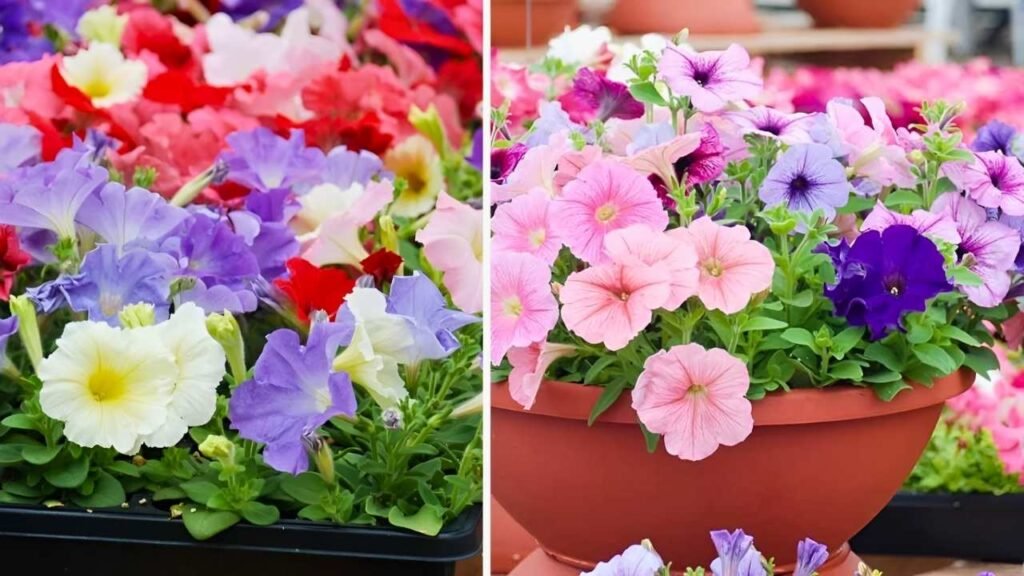
Weekly Feeding Secrets
Petunias demand regular nutrition to maintain their energy for flowering. A water-soluble fertilizer with a high phosphorus content is ideal, as phosphorus directly supports flower development. Apply fertilizer once a week during the growing season. Avoid excessive nitrogen, which promotes leafy growth at the expense of blooms. Think of feeding as a weekly recharge session—your petunias will respond with fuller, brighter blossoms.
Quick Feeding Specs:
- Fertilizer type: Balanced, phosphorus-rich
- Frequency: Weekly
- Method: Diluted liquid feed during watering
Smart Pruning Practices
Pruning is not just about shaping; it’s about stimulating new growth. Petunias can become leggy if left unchecked. Trim back one-third of the stems every two weeks to encourage bushier growth. This practice prevents plants from looking tired and ensures fresh buds keep appearing. Regular pruning also improves airflow, reducing the risk of fungal issues.
Pruning Benefits:
- Encourages bushy growth
- Stimulates new flower buds
- Prevents plant fatigue
Deadheading for Endless Blooms
Deadheading is the simplest yet most effective way to extend blooming. By removing faded flowers, you redirect the plant’s energy from seed production to new blooms. Pinch off spent flowers gently during your weekly care routine. This habit keeps your petunias looking fresh and ensures they continue producing vibrant blossoms throughout the season.
Watering with Precision
Petunias thrive on consistent moisture but dislike waterlogged soil. Deep watering once or twice a week is sufficient, depending on climate conditions. Allow the soil to dry slightly between sessions to prevent root rot. Container-grown petunias may need more frequent watering due to faster evaporation. Balanced hydration keeps plants stress-free and blooming continuously.
Watering Tips:
- Frequency: 1–2 times weekly
- Depth: Ensure soil is moist 6–8 inches deep
- Avoid: Standing water or soggy soil
Sunlight as Bloom Fuel
Petunias are sun-loving plants that require at least six hours of direct sunlight daily. Insufficient light leads to weak growth and fewer flowers. Position your garden beds or containers in areas with maximum exposure. Sunlight acts as the natural fuel for photosynthesis, ensuring your petunias remain strong, colorful, and productive.
Mulching for Soil Health
Mulching is a small step with big rewards. A thin layer of organic mulch helps regulate soil temperature, retain moisture, and suppress weeds. It keeps roots cool during hot days and reduces evaporation. Mulching also improves soil structure over time, creating a healthier environment for continuous blooming.
Mulch Options:
- Shredded bark
- Compost
- Coconut husk chips
Pest and Disease Watch
Healthy petunias are less prone to pests, but vigilance is key. Common issues include aphids, spider mites, and fungal infections. Inspect plants weekly and act quickly if problems arise. Neem oil or insecticidal soap can help manage pests naturally. Good airflow and proper spacing reduce disease risks. Prevention is always easier than cure.
Container Care Essentials
Petunias in containers need extra attention. Nutrients leach out faster, and soil dries more quickly. Weekly feeding and careful watering are crucial. Rotate containers regularly to ensure even sunlight exposure. Choose pots with drainage holes to prevent waterlogging. With proper container care, petunias can bloom just as vigorously as those in garden beds.
Seasonal Adjustments
Petunia care changes slightly with the seasons. In peak summer, increase watering frequency and provide shade during extreme heat. In cooler months, reduce feeding but continue pruning and deadheading. Adapting your routine ensures plants remain resilient and productive regardless of seasonal shifts.
Final Word: Petunia Success 2026
Petunias are generous bloomers when given consistent care. Weekly feeding, smart pruning, regular deadheading, and precise watering form the foundation of success. Add sunlight, mulch, pest vigilance, and container care, and you’ll enjoy a garden bursting with color from spring through fall. With these fresh 2026 strategies, your petunias won’t just bloom—they’ll thrive, turning your garden into a vibrant showcase of continuous beauty.
